
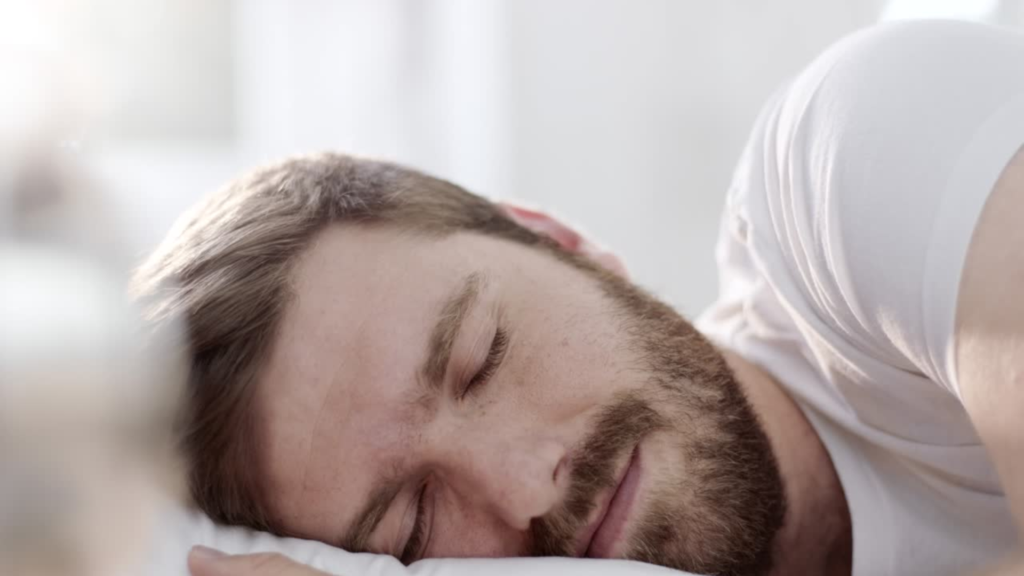
NOCTURNAL EMISSIONS ARE often associated with thoughts, dreams, or hormones. However, another important factor is how your body behaves during sleep. Your body temperature, blood flow, and nervous system activity continue working throughout the night. Because of this, your sleep position and bedtime habits can influence how your body responds during sleep.
Why Sleep Position Matters in Nocturnal Emissions?
Your body does not fully switch off during sleep.
Your brain is still working, blood is still flowing, and your nervous system is still active.
During certain sleep phases, the body can become more sensitive.
If your sleeping position creates heat, pressure, or constant contact with sensitive areas, the body may become more stimulated than normal.
When stimulation increases, the body can react automatically, with or without dreams.
Sometimes this happens without your control because the body is responding on its own.
If this pattern repeats regularly, the system may become more reactive over time.
That is why small factors like sleep position can make a noticeable difference.
What your body experiences during sleep decides how it responds.
Best Sleep Position to Avoid Nocturnal Emissions
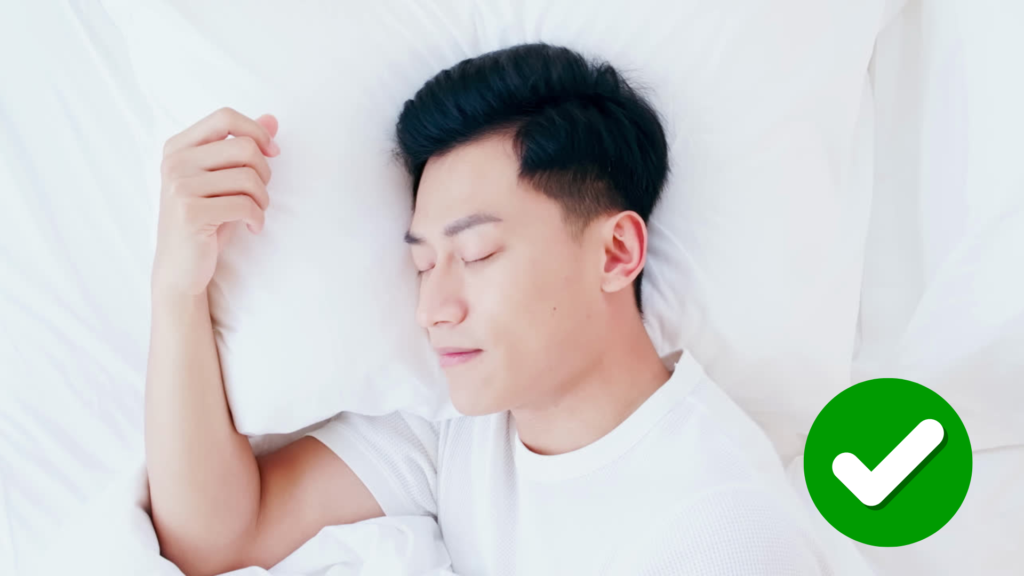
The most stable position is sleeping on your right side.
In this position:
- The abdomen remains relaxed.
- There is less direct pressure on sensitive sexual areas.
- Body heat is better distributed.
- Blood flow stays more balanced.
Because of this:
- The body remains calmer during sleep.
- Unnecessary stimulation is reduced.
- The nervous system stays more relaxed.
- The chances of sudden activation become lower.
When the body is in a relaxed position, muscles stay loose and there is less friction or contact with the mattress.
This further reduces sensitivity during sleep.
Over time, this position helps the body maintain better internal balance at night and supports more stable and controlled sleep cycles.
Less pressure, less heat, and more stability.
Wrong Sleep Positions in Nocturnal Emissions
Two positions can increase unwanted stimulation:
- Sleeping on the back (supine position)
- Sleeping on the stomach (prone position)
Sleeping on the Stomach (Prone Position)
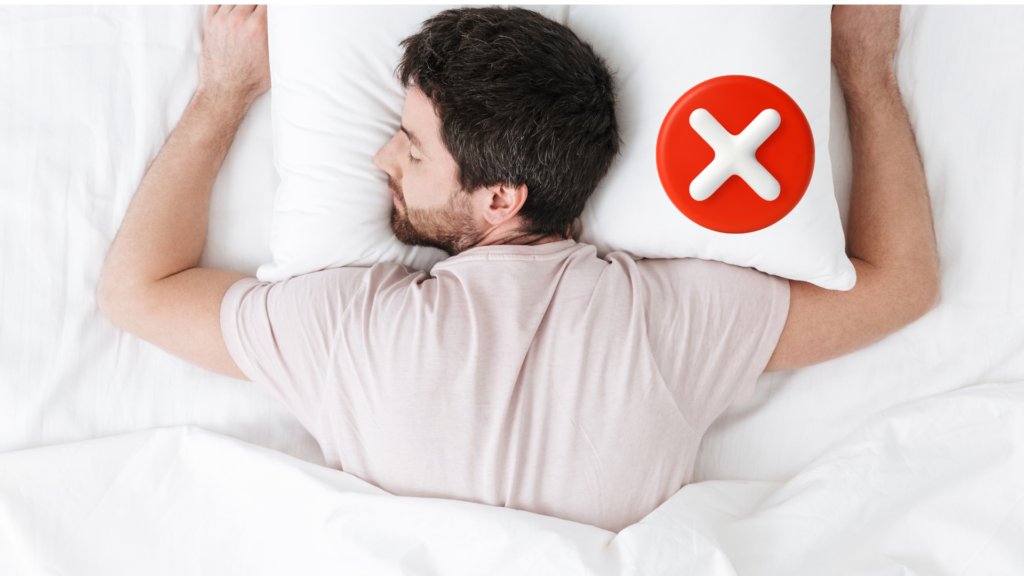
In the prone position, the abdomen and sexual organs are pressed against the mattress.
- Heat builds up due to continuous contact.
- Friction and pressure increase sensitivity.
- This can trigger activity during sleep.
Sleeping on the Back (Supine Position)
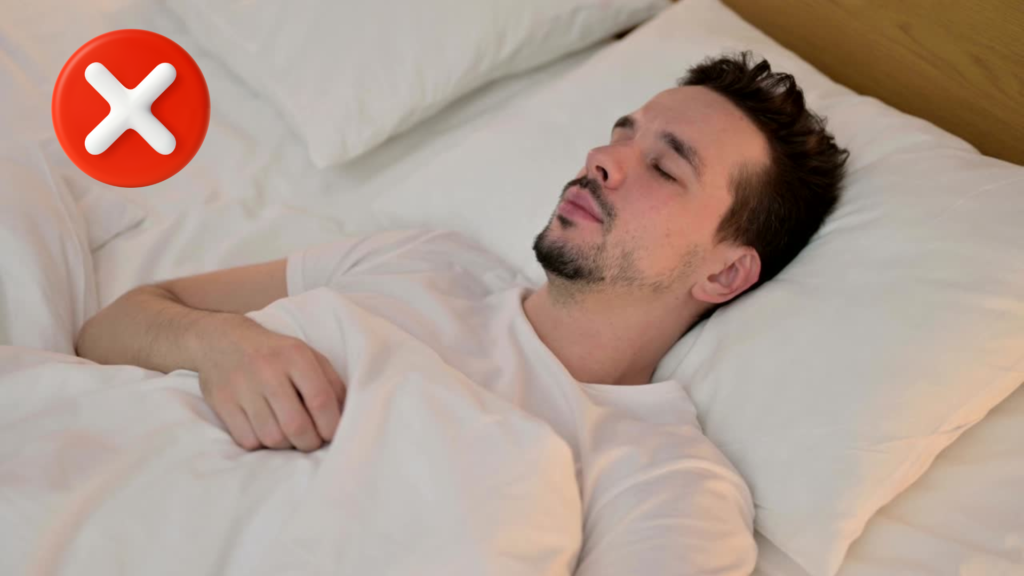
In the supine position, the buttocks, lower back, and hip area remain in contact with the mattress.
Heat can accumulate due to increased blood flow.
The body becomes more open and internally reactive.
This can increase activation during deep sleep phases.
Factors That Can Make the Effect Stronger
The effect becomes stronger:
- During summers
- When sleeping on heat-trapping foam mattresses
- When wearing tight and heavy clothing
Because:
- Heat increases further.
- Airflow reduces.
- Sensitivity in the lower body increases.
This can make the system more active during sleep.
More heat and pressure can increase sensitivity at night.
Clothing and Sleep Environment to Avoid Nocturnal Emissions
What you wear and where you sleep can also affect your body during the night.
During sleep, your body naturally releases heat.
If that heat gets trapped:
- Body temperature increases.
- Blood flow in the lower body, especially around sexual organs and genitals, may increase.
- The area becomes more sensitive and active.
When sensitivity increases, the chances of unwanted activation during sleep may also increase.
That is why clothing and environment matter.
Recommended Clothing
- Wear loose and comfortable clothing.
- Avoid tight underwear.
- Avoid heavy or tight wool fabrics.
Tight or heavy clothing:
- Traps heat.
- Creates pressure.
- Increases sensitivity in that area.
Dress according to the weather:
- Light and breathable clothing in summer.
- Warm but still loose clothing in winter.
Recommended Sleep Environment
- Sleep in a cool, dark, and quiet room.
- Avoid foam mattresses if they trap heat.
A cooler environment:
- Helps regulate body temperature.
- Keeps the nervous system calm.
- Reduces unnecessary stimulation.
A cool and relaxed body stays more stable during sleep.
Night Preparation Routine to Avoid Nocturnal Emissions
What you do before going to sleep directly affects how your body behaves during the night.
If your body goes to bed in a stimulated or restless state, it carries that same state into sleep.
When the body is not fully relaxed, it becomes more sensitive and reactive during the night.
Simple habits before sleep can make a difference.
Before Going to Bed
Eat Dinner 3 to 4 Hours Before Sleep
This helps ensure digestion does not stay active or struggle during the night.
Empty Your Bladder
This reduces pressure in the lower body.
Avoid Sexual or Stimulating Content
This helps keep brain activity calm.
Reduce Mobile Usage at Least 2 Hours Before Sleep
This helps the nervous system slow down.
Relax Before Sleep
You can:
- Sit quietly for a few minutes
- Meditate
- Practice slow breathing
These habits help the body shift into a calm state before sleep.
Final Thoughts
Sleep position, clothing, sleep environment, and bedtime habits can all influence how the body behaves during sleep.
Reducing heat, pressure, friction, and unnecessary stimulation may help create a calmer and more stable sleep environment.
Sleeping on the right side, maintaining a cool sleeping environment, wearing loose clothing, and following a calm night preparation routine can support more stable and controlled sleep cycles.
