
Spermatorrhea does not happen randomly. It develops when the body’s internal balance is disturbed and the sexual system stops functioning the way it naturally should. In most cases, men focus only on the visible symptom — semen leakage — while ignoring the deeper reasons behind it. But unless the root cause is identified, real control and stability cannot return.
Watch the Full Explanation in the Video Below
There are six primary causes of spermatorrhea, listed below in order of priority. Once you recognize which one applies to your situation, you can begin working toward restoring balance and natural control. One principle applies to all causes:
When the natural temperament of the sexual organs is disturbed, semen quality drops and control weakens. When that temperament is restored, semen becomes thick, stable, and leakage naturally stops.
Weak and Watery Semen
In some men, semen gradually loses its natural thickness and becomes thin and watery. When this happens:
- It no longer has enough weight or stability to remain stored inside the body
- Even small movements or urination can cause it to leak out
- The body struggles to retain what it produces
Many men experiencing this type of leakage report:
- Constant tiredness afterward
- A feeling of emptiness or weakness
- Reduced confidence and physical stability
This is not sudden — it develops slowly as semen quality deteriorates over time.
Low Retention Power
Sometimes the issue is not the semen itself, but the organs responsible for holding it. The muscles, nerves, and control mechanisms that retain semen can weaken due to:
- Long-term stress
- Overuse of the sexual system
- Mental pressure and nervous exhaustion
When retention power drops:
- Minor strain such as lifting something
- Passing urine
- Even slight physical pressure can trigger leakage, despite no strong arousal being present.
Excessive Internal Heat
Another common cause is excessive internal heat within the sexual system. When natural temperature balance is lost:
- Semen quality changes
- Color may appear yellowish
- Burning or irritation may occur during urination
This “heated” state shows that the system is over-energized and overstimulated. Instead of stability, the organs remain in a state of agitation, which directly affects control. Cooling, recovery, and balance become essential in such cases.
Overstimulation and Mental Pressure
Modern habits place constant pressure on the nervous system. Frequent exposure to pornography, repeated masturbation & continuous sexual fantasies keeps the body in a state of false arousal. Over time:
- Natural control weakens
- Semen becomes thinner
- Erections become unstable
- Mental clarity and focus decline
The body is never allowed to fully rest or reset, leading to leakage even without physical stimulation.
Overproduction of Semen
In some men, the system is naturally very active and produces more semen than the body comfortably holds. When long periods of sexual inactivity follow:
- The excess fluid looks for a release
- Leakage may occur without pain, burning, or weakness
In these cases:
- The body is not necessarily damaged
- It is simply releasing surplus fluid
Understanding this distinction is important, as management differs from weakness-based causes.
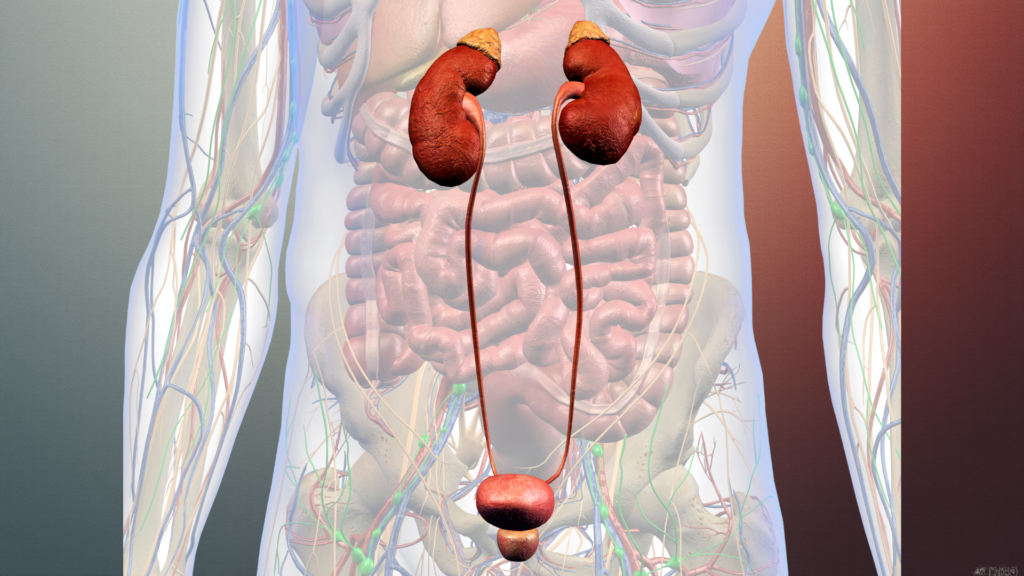
Weak Kidneys and Vital Organs
Sometimes what appears as semen leakage is actually a thin, milky fluid originating from the kidneys. When the kidneys overheat or weaken:
- Protective internal substances begin leaking into urine
- The body loses vital strength
Men experiencing this often notice:
- Persistent fatigue
- Lower-back discomfort
- A deep sense of weakness in the core
This condition is commonly misunderstood and mistaken for semen loss.
