
Male sexual health is often discussed in fragmented ways, where individual symptoms are treated separately without understanding how they may be connected. Many men focus only on erection strength because it is the most visible concern, yet sexual function is influenced by multiple internal factors working together in balance.
A complete understanding of male sexual health requires looking beyond erection alone and examining semen quality, retention ability, nervous system stability, and overall vitality as interconnected elements.
Sexual Strength Is More Than Erection Alone
Healthy sexual performance does not depend only on the presence of an erection. True stability involves coordination between several physiological and psychological elements, including:
• Semen quality and consistency
• Natural retention ability
• Stability of ejaculation timing
• Nervous system balance
• Physical vitality and confidence
When these factors function harmoniously, sexual response tends to remain stable. When internal balance becomes disturbed over time, early warning signs may begin appearing long before erection concerns develop.
How Internal Imbalance May Begin the Chain
In a balanced state, the reproductive system supports semen that is naturally stable, well-nourished, and comfortably retained within the body.
Over time, lifestyle stress, exhaustion, overstimulation, or loss of internal equilibrium may influence how the system regulates semen production and retention. Some men describe gradual changes such as:
• Reduced stability in semen consistency
• Increased sensitivity to stimulation
• Easier or unintended release
• Reduced sense of internal control
These changes usually develop slowly rather than suddenly. The first visible signal often appears during sleep.
Nightfall as an Early Signal
Occasional nightfall can be a normal biological occurrence. However, when it becomes frequent or exhausting, it may reflect deeper imbalance rather than an isolated issue.
Common experiences at this stage may include:
• Increased semen release during sleep
• Reduced feeling of recovery after nightfall
• Mental fatigue or reduced calmness
• Difficulty maintaining internal stability
At this point, the condition remains early and potentially manageable through improved lifestyle awareness and balanced daily habits.
When ignored for long periods, the pattern may gradually progress.
Transition Toward Spermatorrhea
As internal stability weakens further, semen release may begin occurring outside sleep. This phase is often described as spermatorrhea, where leakage appears in subtle ways such as:
• Drops after urination
• Moisture without full arousal
• Release triggered by minimal stimulation
These experiences may suggest reduced retention strength and nervous system strain affecting voluntary control.
Although concerning, this stage represents progression rather than permanence. Early understanding may help prevent further escalation.
Why Spermatorrhea May Influence Ejaculation Timing
Persistent leakage can gradually influence how the body regulates ejaculation during intimacy.
Men may begin noticing:
• Faster ejaculation timing
• Increased sensitivity
• Reduced voluntary control
• Growing performance anxiety
Premature ejaculation in this context may not arise suddenly. Instead, it can evolve from earlier instability affecting semen quality, nervous balance, and confidence.
Recognizing this connection helps shift attention toward foundational stability rather than short-term performance fixes.
Effects on Vitality, Libido, and Erection Stability
When semen instability continues for extended periods, broader effects may appear beyond sexual symptoms alone.
Some men report:
• Reduced daily energy
• Lower libido
• Slower physical recovery
• Declining confidence
• Erections that feel softer or less stable
Erection difficulty often represents the final stage of a longer internal progression rather than the original problem.
Understanding this sequence can reduce unnecessary panic and encourage a calmer, structured perspective.
Why Treating Erectile Difficulty Alone May Feel Incomplete
Because erection concerns are the most visible symptom, many men attempt to address them directly through temporary stimulation methods or performance-focused solutions.
However, erection stability depends on multiple underlying factors:
• Nervous system calmness
• Balanced physiological function
• Stable semen quality and retention
• Overall physical and emotional wellbeing
If earlier stages remain unaddressed, improvement may feel temporary rather than lasting.
A broader understanding encourages gradual support of foundational balance instead of focusing only on the final symptom.
The Correct Order of Supportive Recovery
A structured perspective often follows the reverse direction of progression:
• Stabilizing excessive nightfall
• Improving control over spermatorrhea
• Supporting healthy ejaculation timing
• Allowing erection strength to improve naturally
Rather than forcing outcomes, this approach emphasizes patience, consistency, and long-term stability.
Many men find that when foundational balance improves, higher sexual functions begin stabilizing more naturally.
A Calm and Long-Term Perspective
Sexual weakness rarely begins where symptoms first become noticeable. It often starts earlier through subtle internal changes that progress gradually over time.
Understanding the natural sequence:
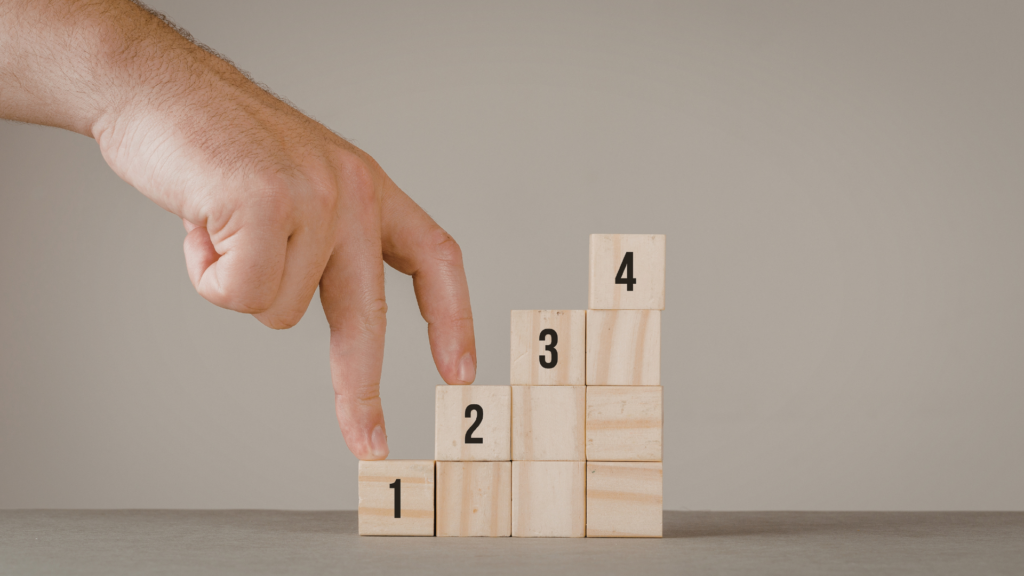
Nightfall → Spermatorrhea → Premature Ejaculation → Erectile Difficulty
helps replace fear with clarity and urgency with disciplined awareness.
Long-term sexual wellbeing is less about quick solutions and more about understanding the body, supporting balance, and protecting vitality through sustainable habits.
